
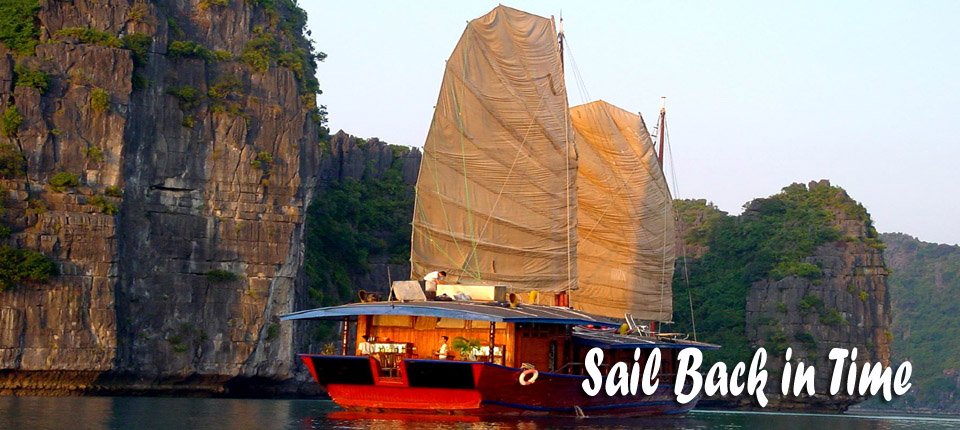
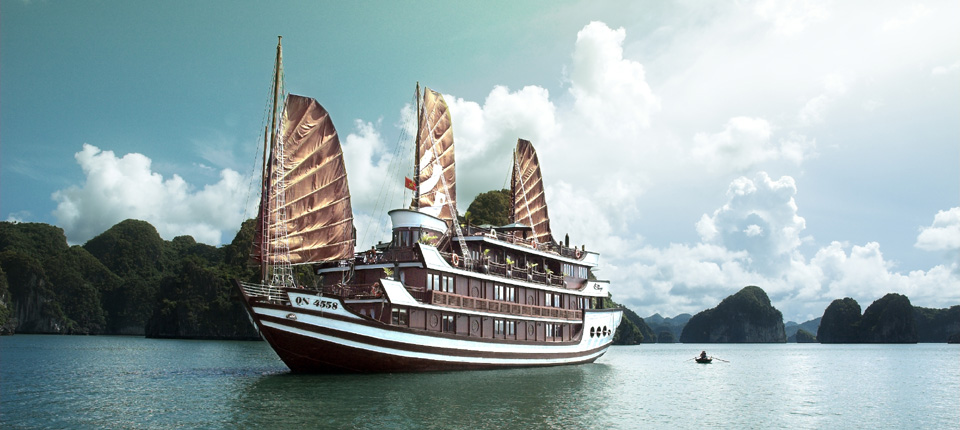
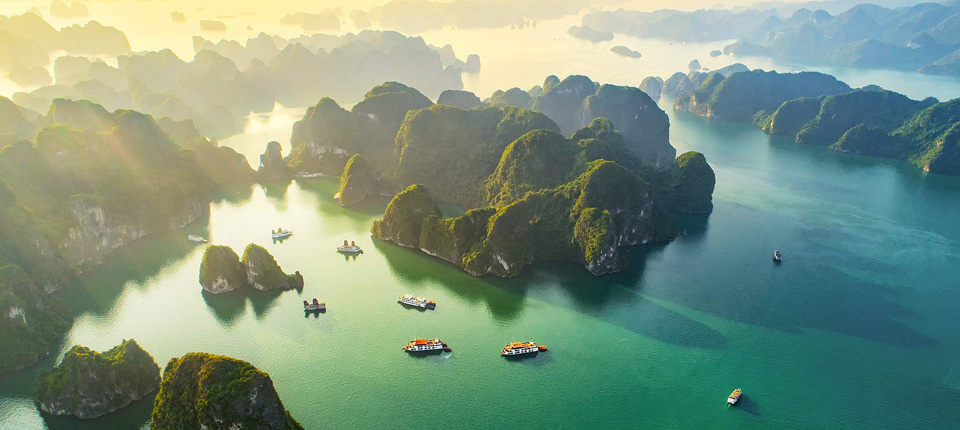
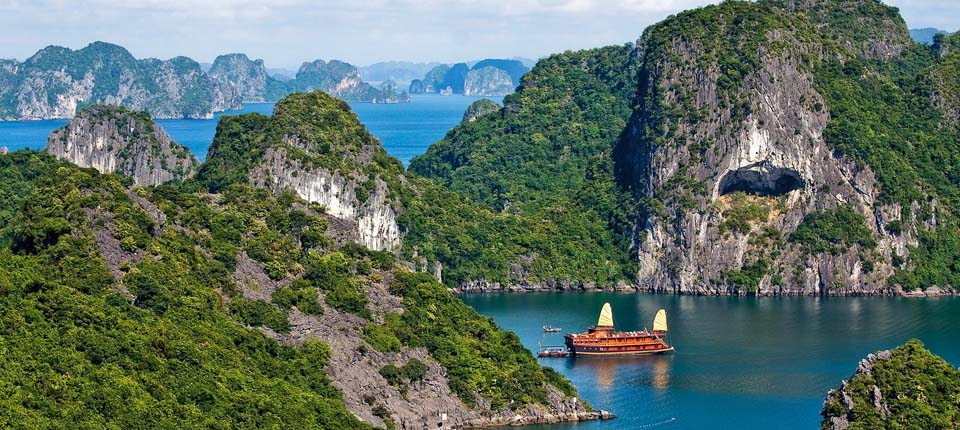


Spatial linkage transforms Halong and Lan Ha tourism
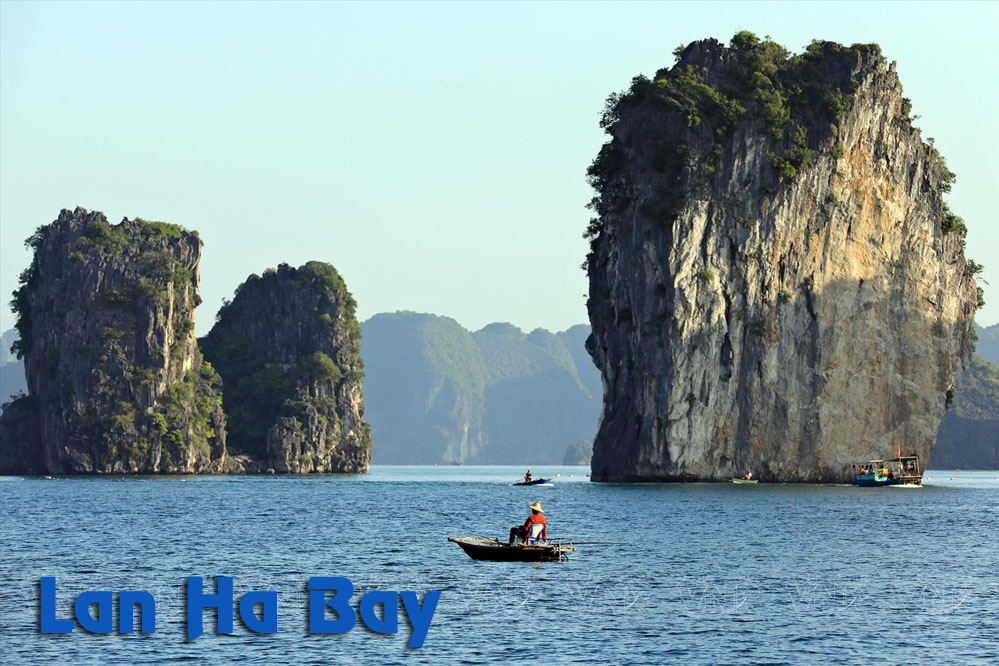
Quang Ninh and Hai Phong have signed a
Coordination Regulation on managing the operation of inland waterway
vessels transporting tourists in Halong Bay and Lan Ha Bay, effective
from April 1, 2026, opening a new chapter in spatial linkage and the
organization of marine tourism development.
An administrative decision, but one that opens up a new development
structure where heritage values are placed within an interconnected
whole rather than as disconnected "pieces".
According to the Halong Bay - Yen Tu World Heritage Management Board, as
soon as the regulations come into effect, it is expected that an
additional 5,000 to 6,000 tourists and more than 50 overnight cruise
ships will travel from Lan Ha Bay to Halong Bay each day.
This new influx of tourists is not simply an increase in quantity, but a
qualitative shift in the structure of destination development.
According to the Quang Ninh Provincial People's Committee, emphasized
that the regulations on coordinating the management of tourist boat
operations on the Halong Bay - Lan Ha Bay route will open up enormous
development potential for tourism in both localities, contributing to
increasing the number of tourists and enhancing the value of heritage
exploitation for Quang Ninh province.
The requirements are simultaneously very clear: standardization of
standards, ensuring absolute safety, and strict compliance with Circular
No. 66 dated December 31, 2025, of the Ministry of Construction on
technical and environmental requirements for tourist accommodation
vessels, floating restaurants, and floating hotels.
Border guards, waterway police, and port authorities are tasked with
both facilitating operations and tightening management to ensure
security, order, and a healthy business environment.
An interconnected operating mechanism was established, in which
licensing, regulation, and control of ship traffic between the two bays
became a crucial link.
This regulation, therefore, goes beyond the technical realm. It opens up
a space of interconnected heritage, where administrative boundaries
gradually give way to a regional development mindset.
In the first quarter of 2026, Quang Ninh's tourism sector achieved
revenue of 15,687 billion VND. This figure reflects the effectiveness of
the strategy of product innovation, service quality improvement, and
enhanced promotion over the past period. The opening of the two bays
came at the right time, as the beach tourism season began, acting as a
new impetus for growth.
The official permission to connect Halong Bay and Lan Ha Bay is not just
a change in travel routes, but a significant shift in development
thinking, from managing geographical boundaries to managing
inter-regional heritage spaces.
For many years, the two geographically adjacent bays, both part of the
Gulf of Tonkin ecosystem, operated as two separate destinations. As a
result, the visitor experience was fragmented, while the overall value
of the heritage remained largely untapped.
The connections that have been opened have formed a continuous
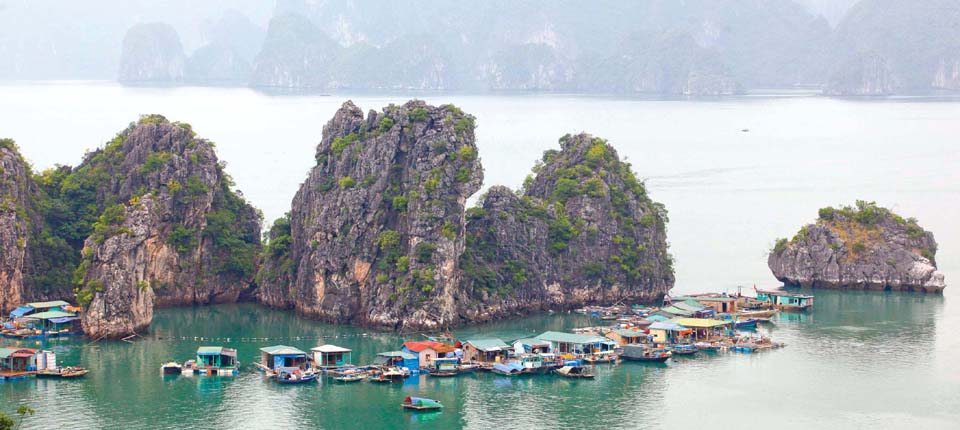
experiential corridor: Halong Bay stands out with its magnificent cave
system and unique geological and geomorphological values; Lan Ha Bay
offers ecological spaces, beaches, Cat Ba forest, and distinctive
fishing villages.
These two value structures, when placed side by side, form a "complete
picture" of Vietnam's multi-layered maritime heritage, rich in rhythm
and capable of telling a more coherent story to visitors.
One of the long-standing "bottlenecks" of bay tourism lies in the short
length of stay, repetitive itineraries, and lack of depth in the
experience.
The opening of the route has fundamentally changed this. Tourists can
explore 2-3 bays in the same trip; 2-3 day tours have become more
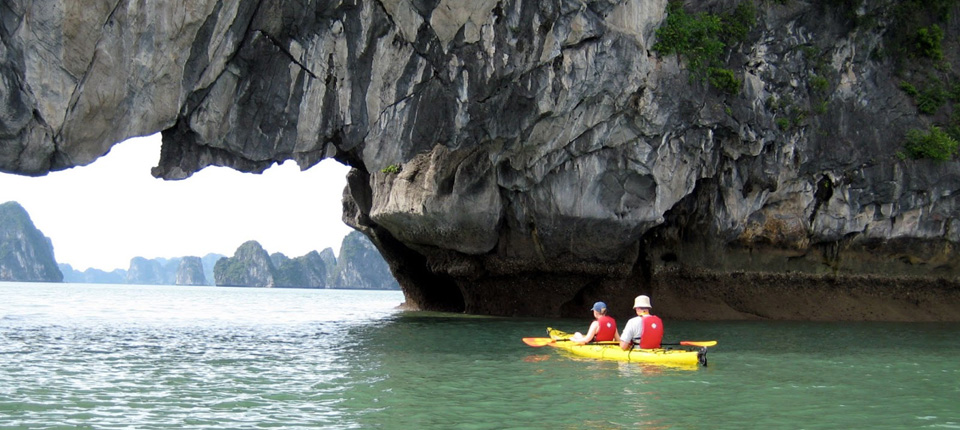
flexible and less repetitive; activities such as kayaking, swimming,
cave exploration, and fishing village experiences are more rationally
distributed.
The benefits extend beyond mere experience. Longer stays mean increased
spending, especially in the high-end segment, the target market for
Vietnamese tourism in the coming period.
For travel and cruise businesses, this is a policy that has been awaited
for many years. The opening of new routes brings clear benefits because
it optimizes itineraries, reduces operating costs (no need to return to
old routes); increases ship operating capacity; and makes it easier to
design new products and upgrade the experience.
From here, high-end product lines have the conditions to develop:
multi-day boutique cruises, heritage and eco-tourism itineraries, or the
"multi-bay cruise" model, a popular trend worldwide.
An inter-regional tourism corridor can only truly operate effectively
when there is a compatible governance mechanism. According to Mr. Pham
Ha, three systemic bottlenecks need to be addressed:
Firstly, the current inter-regional ticketing and fee mechanisms are
still separated by locality, easily leading to overlaps and increased
costs.
Secondly, regulations regarding overnight stays and anchorage points
need to be more flexible, allowing itineraries to be designed according
to market demand rather than being constrained by administrative
boundaries.
Third, standardize service standards. An interregional journey requires
consistency in everything from safety and environment to the quality of
the experience. Without this consistency, added value will be difficult
to create clearly.
In the long term, connecting Halong Bay and Lan Ha Bay can be seen as
the starting point for a larger structure: the interconnected Halong -
Lan Ha - Bai Tu Long marine heritage complex.
Such a space, if properly planned and managed, has the potential to
become a leading attractive marine and island tourism cluster in Asia, a
foundation for the development of the luxury yachting industry, and a
model for balancing exploitation and heritage preservation.
The opening of the two bays, therefore, goes beyond simply creating new
tourist routes. It opens up a new perspective on heritage as a vibrant
whole, capable of connecting, complementing, and supporting each other.
With the right mechanisms and effective governance, this will be a
crucial boost for Vietnam's coastal tourism to break through and move
closer to the goal of becoming a world-class destination.
Cruise Lan Ha Bay
- The most exciting thing about visiting Lan Ha Bay is the experience of
trying your hand at kayaking to explore every nook and cranny, no matter
how small. Along with Halong Bay, Lan Ha Bay, with its more than 400
islands, offers plenty of opportunities to explore caves and admire the
scenery through kayaking. This activity is suitable for young people or
couples who enjoy adventure and exploration, as it requires agility,
stamina, and a bit of skill in maneuvering the kayak into narrow spaces.

